
Our Reggio Emilia-Inspired Approach
At Stony Brook School, our educational philosophy is inspired by the world-renowned schools of Reggio Emilia, Italy. This approach is rooted in the belief that children are capable, creative, and active protagonists in their own learning. We view children not as empty vessels waiting to be filled, but as curious researchers who are naturally driven to make sense of the world around them.
How We Bring This Philosophy to Life
Our curriculum is not a pre-packaged script; it is a living, breathing process that grows alongside the children. Here is how we adapt the Reggio Emilia principles to create our unique learning environment:
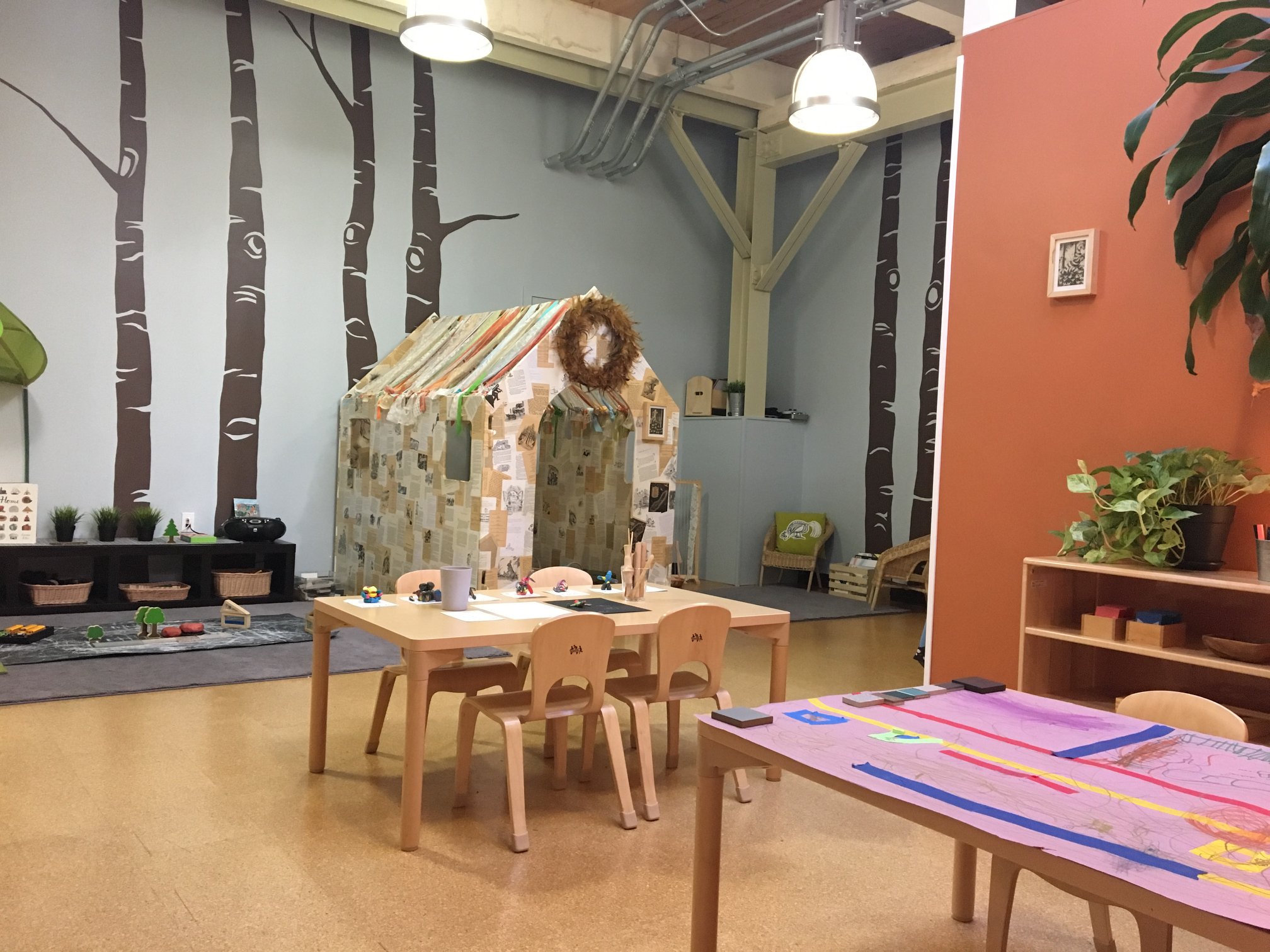
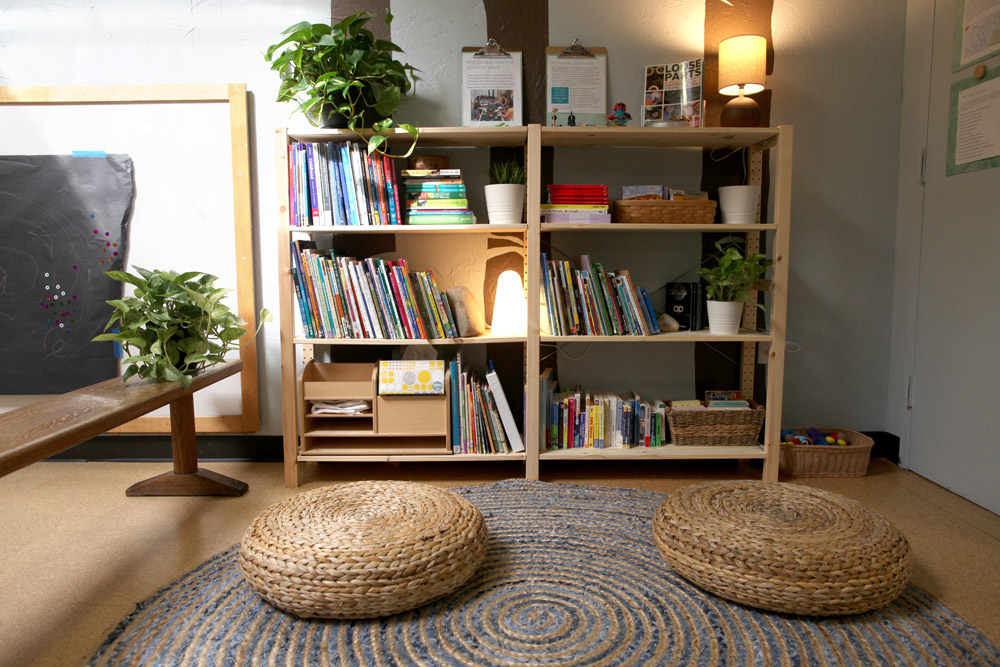
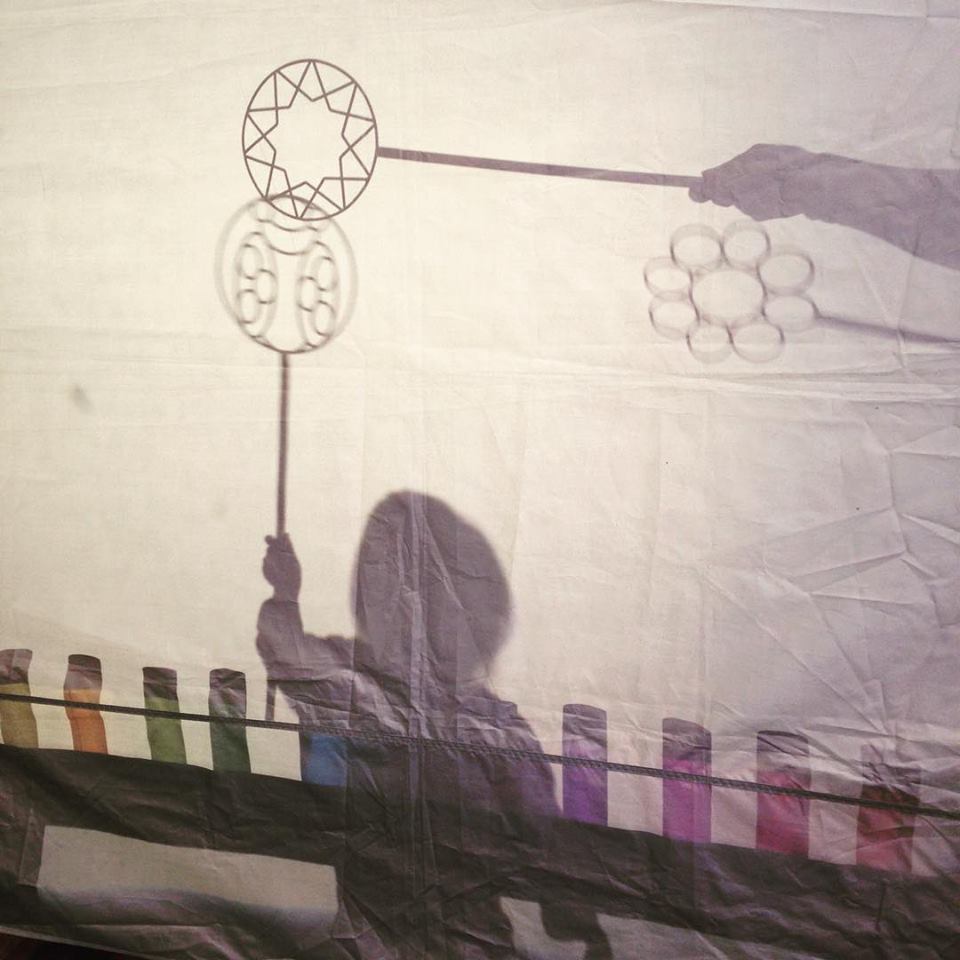
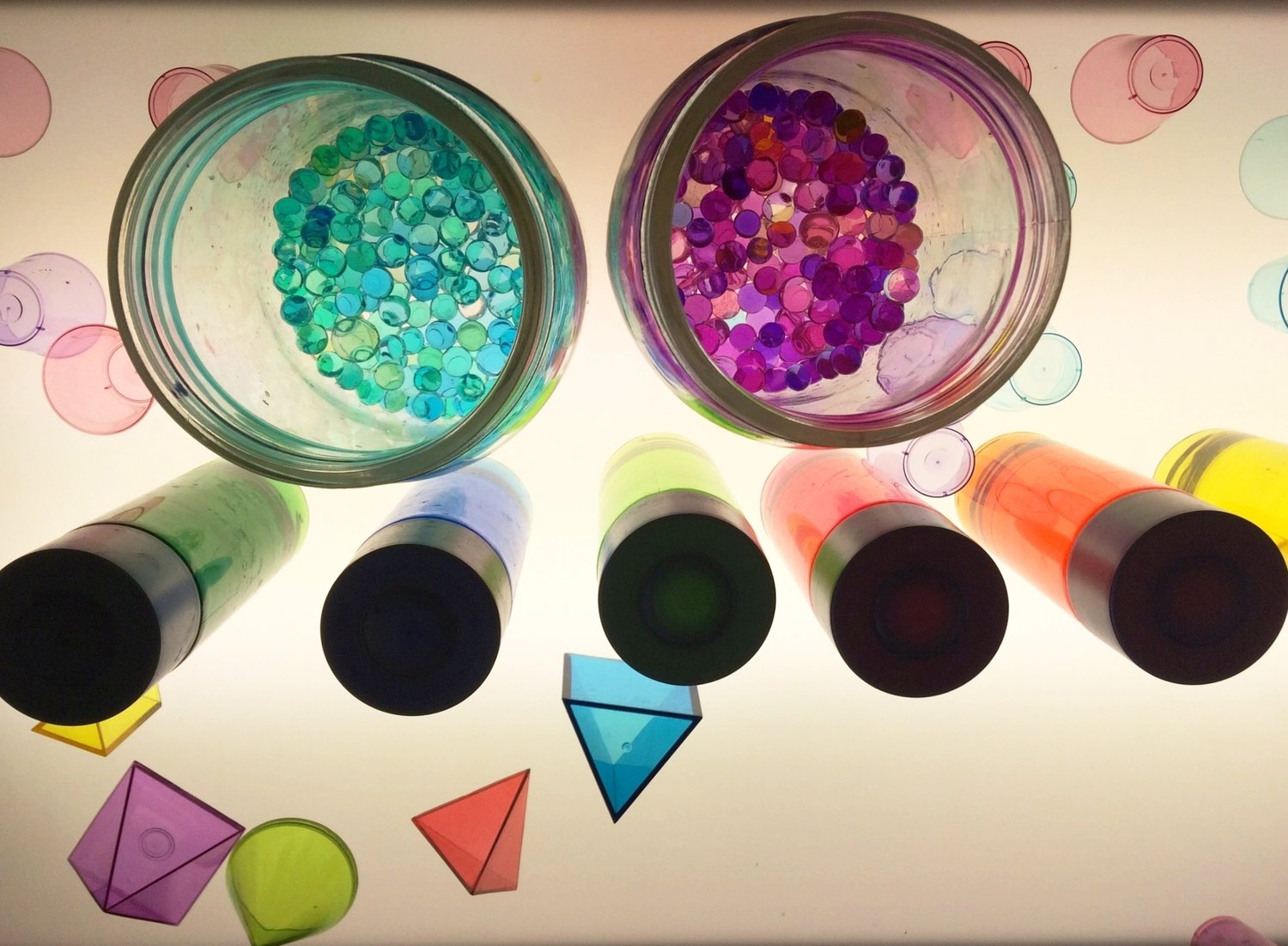
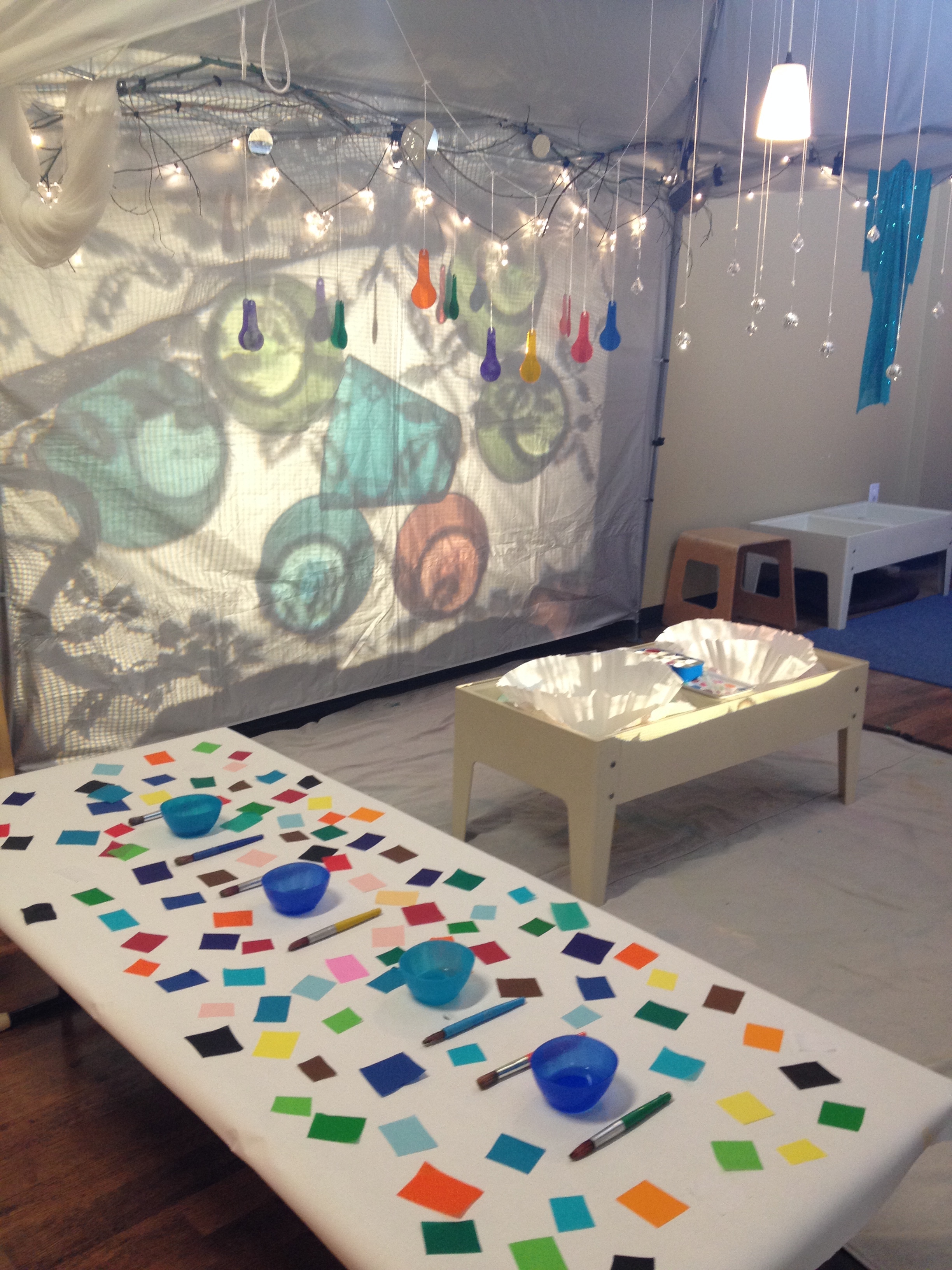
The Environment as the "Third Teacher": We believe that the space where children learn is just as important as the teacher guiding them. Our classrooms are thoughtfully curated to inspire wonder and inquiry. From natural light and open-ended materials to neutral, calming colors, every element of our environment is intentionally arranged to provoke curiosity, encourage movement, and foster deep, focused play.
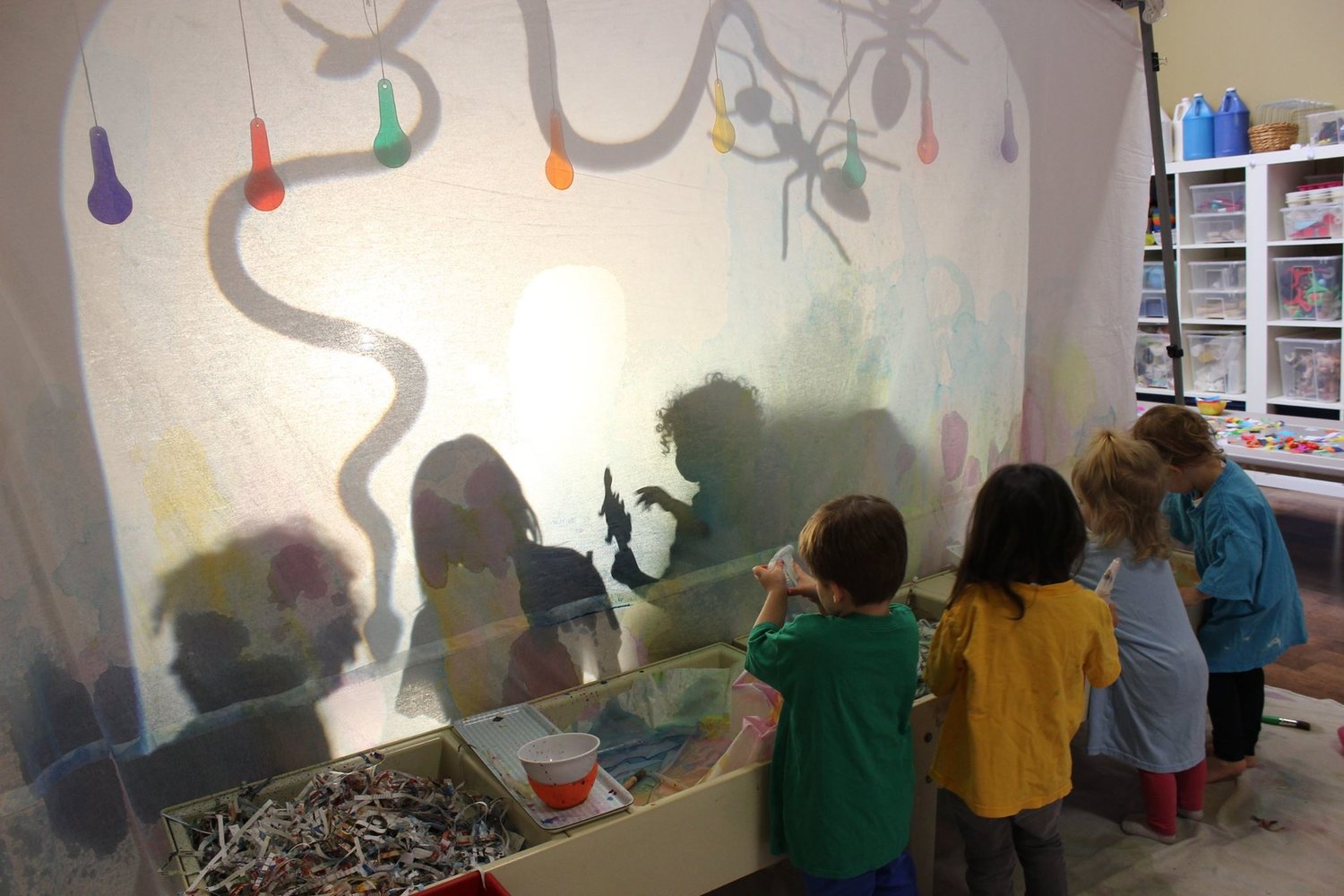
Emergent and Project-Based Learning: Our curriculum emerges from the interests, questions, and observations of the children themselves. When a group of students shows a fascination with how things grow, or how water moves, our teachers respond by creating thoughtful "provocations"—activities and materials that invite the children to explore these topics deeply through projects, experimentation, and discovery.
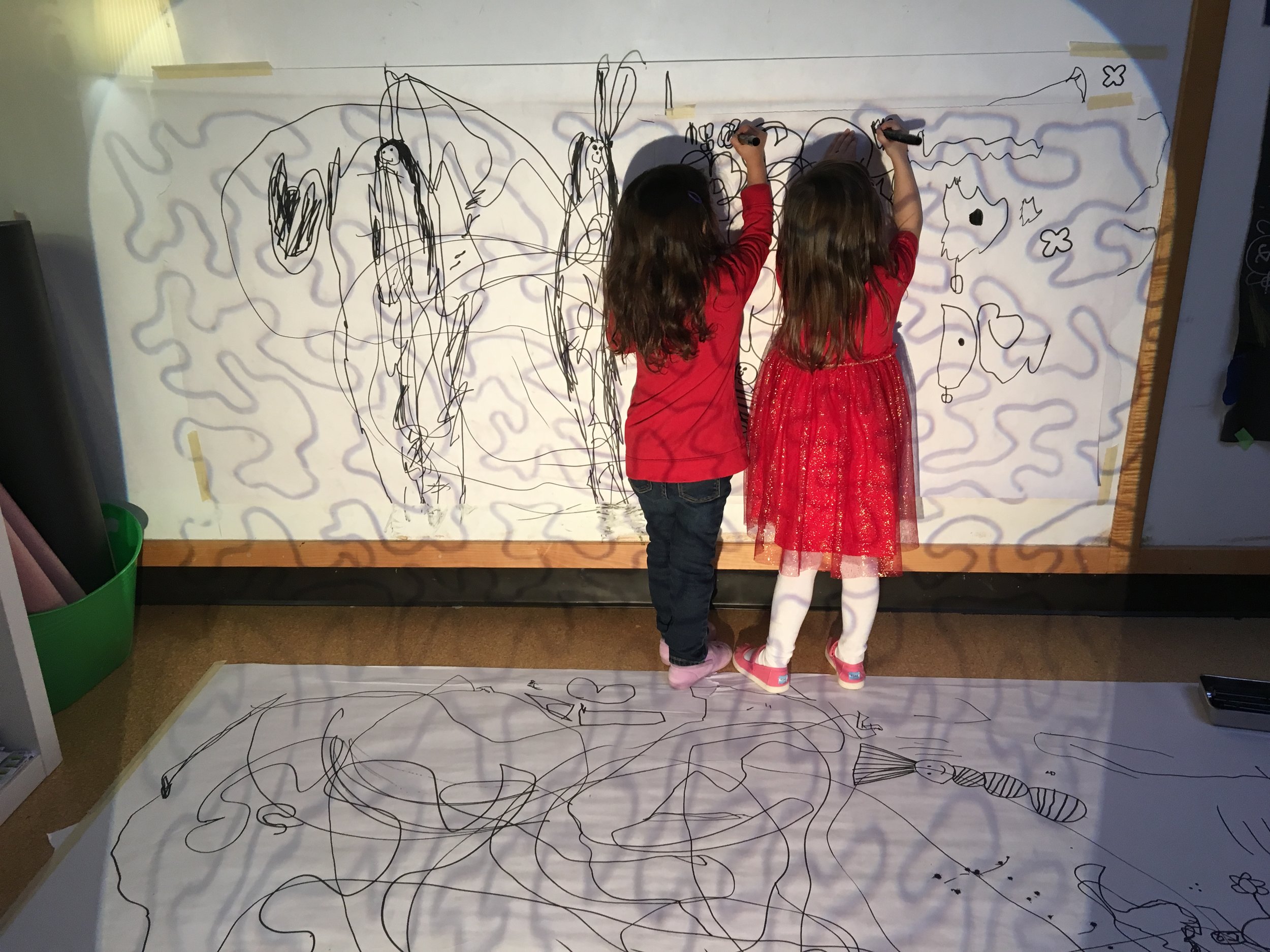
The "Hundred Languages" of Children: We recognize that children express their thoughts, emotions, and discoveries in countless ways. Whether through painting, building, storytelling, movement, or dramatic play, we encourage children to use all their "languages" to understand and communicate their ideas.
Making Learning Visible: We believe that learning is a process, not just a final product. We are deeply committed to documentation—capturing the learning journey through photographs, verbal transcripts, and individual portfolios. By making this process visible, we invite parents to see not just what their child made, but how they thought, questioned, and solved problems along the way.
Collaboration and Co-construction: We view education as a reciprocal process. We don’t just teach children; we learn with them. By maintaining high staff-to-child ratios, we foster intimate, collaborative relationships where teachers, students, and families act as partners in the educational journey.
We invite you to step into our classrooms and experience the rhythm of this approach firsthand. It is our goal to help every child see themselves as a capable member of a community, fostering a lifelong love for learning that begins here, with us.